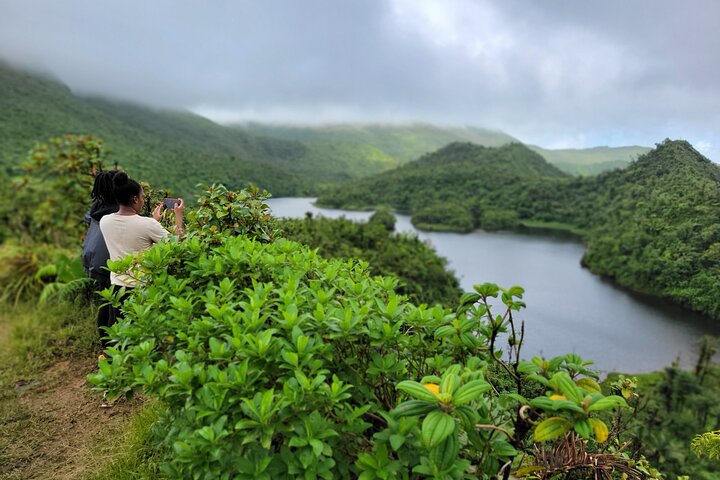
Things to Do in Dominica
Volcano-heated rivers, black-sand beaches, and a rainforest you can drink.
Top Things to Do in Dominica
Find activities and tours you'll actually want to do. Book through our partners -- no booking fees.


Plan Your Trip
Essential guides for timing and budgeting
Climate Guide
Best times to visit based on weather and events
View guide →Day Trips
The best excursions and nearby destinations worth the journey
Explore day trips →Where to Stay
Best neighbourhoods, hotel picks, and booking tips
Find hotels →Travel Insurance
What's required, what coverage matters, and how to get a quote
Read guide →What to Pack
Climate-specific gear, essentials, and what to leave at home
See packing list →When Should You Visit Dominica?
Tap a month for weather, crowds, and highlights
View full year-round climate guide →Explore Dominica
Boiling Lake
City
Cabrits National Park
City
Calibishie
City
Champagne Reef
City
Emerald Pool
City
Indian River
City
Middleham Falls
City
Morne Bruce
City
Morne Diablotin National Park
City
Morne Trois Pitons National Park
City
Portsmouth
City
Scotts Head
City
Soufriere
City
Trafalgar Falls
City
Whale Watching Waters
City
Your Guide to Dominica
About Dominica
Dominica greets you before the jetway ends. Salt wind carries volcanic bite from Boiling Lake. Melville Hall airport is tiny, one carousel under corrugated iron. The island ignores Caribbean clichés. Beaches are charcoal at Wavine Cyrique. Roseau stacks bright houses like Lego against steep valley walls. Minibus waits stretch ten minutes or an hour.
Drivers argue cricket scores without apology. By nightfall you're soaked, Trafalgar waterfall or sudden rain on zinc roofs. Island runs on Eastern Caribbean dollars. Saltfish and bakes outside Old Market cost EC$8 (US$3). Same price as a Coke at Fort Young Hotel bar. Hike the Waitukubuli Trail and learn the deal. The island is glorious.
Infrastructure runs on island time. Scott's Head road might vanish after Tuesday's landslide. Sulfur springs at Wotten Waven still steam. Kalinago Territory still shapes canoes from gommier trees. Purple Turtle Beach sunsets glow like overripe mango. You arrive for rainforest. You linger because Dominica never pretends.
Travel Tips
Transportation: Minibuses charge EC$2.50-EC$8 (US$1-3) by distance. Wave anywhere along main routes. Knock on roof when you want off. Car rentals unlock Syndicate Trail and Boiling Lake. Most visitors book Valley Rent-a-Car in Roseau. Pickup happens at the airport. Hitching is common and safe on west coast roads. Drivers expect a couple of EC dollars for gas. Carry small bills always. Saturday buses to Portsmouth stop at 6 PM. Plan ahead or sleep in a rum shop doorway.
Money: Eastern Caribbean dollars rule. US dollars pass everywhere. Change comes back in EC. Memorize 2.7 quickly. ATMs vanish outside Roseau and Portsmouth. Airport machine spits US dollars. Republic Bank on Cork Street gives EC. Credit cards work at hotels. Roadside rum shacks take cash only. Village bakeries demand bills. Withdraw enough for two days before driving south. Tipping isn't expected. Leaving change after an EC$12 (US$4.50) roti feels polite.
Cultural Respect: Offer a soft 'good afternoon' before asking. Dominicans notice manners. Sunday belongs to church. Music blares from every yard. Asking anyone to work feels rude. In Kalinago Territory, ask first. 'May I?' opens doors before photographing baskets or carvers. Swimwear stays on beaches. Walking Roseau in a bikini earns stares. Invited for a 'lime'? Bring Kubuli beer. Listen more than you speak.
Food Safety: Eat street food, watch it leave the fire. Busiest vendors outside Old Market sell crab backs and plantain for EC$10 (US$3.70). High turnover keeps food safe. Tap water is cistern rain. Stick to bottled at guesthouses unless your host swears it's filtered. Rum punch with fresh nutmeg looks innocent. It punches like gasoline. Pace yourself. Mountain chicken at Pond Casse is frog. Overharvesting makes it a splurge now, not daily fare.
When to Visit
December to April is prime. Daytime highs sit at 28°C (82°F). Rainfall drops to 75 mm monthly. Roseau hotels run US$180-220. That's 25% above off-season rates. February Carnival fills streets with steel-pan and body paint. Book guesthouses by October or sleep in Portsmouth. May brings shoulder bargains. Rooms fall to US$120-150.
Waitukubuli Trail stays relatively dry. June through November is hurricane season. September dumps 200 mm of rain. Daily deluges can erase roads to Scotts Head. Whale-watching peaks July to October. Sperm whales breach off Picard Beach. Hotel prices drop 40-50%. Temperatures hold steady year-round (25-30°C / 77-86°F). Humidity spikes to 85% in September.
Hikers should skip August-September. Flash floods turn Boiling Lake dangerous. Christmas flights from Miami or Toronto jump 60%. Early December matches weather for half the fare. Budget solo travelers should aim for late May or early June. Ferry from Martinique drops to EC$120 (US$45). Guesthouses in Calibishie run EC$150 (US$55) nightly.
Families with kids should avoid July-August's soggy chaos. April wins for calm seas and empty Mero beaches.
More Ways to Experience Dominica
Tours, day trips, and local experiences curated by on-the-ground operators.
Didn't see anything interesting yet?
Browse Viator's full catalog of tours, day trips, food experiences, and private guides in Dominica.
See All Dominica Tours on Viator